Author: Aaron
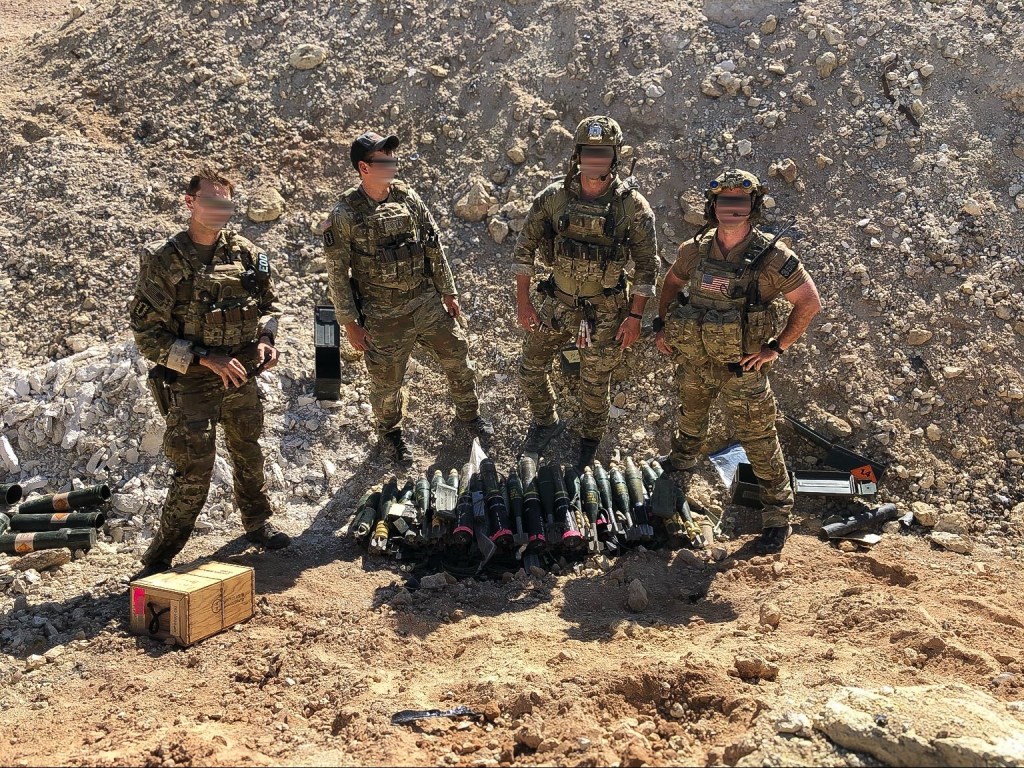
The Three Pillars of Tactical Training: Physical Fitness, Firearms, and Medical Readiness. Tactical training isn’t just a skill set—it’s a mindset. It’s about preparing for the worst so that when shit hits the fan, you’re ready. Whether you’re in the military, law enforcement, or just some regular ass dude who likes guns and wants to be proficient at protecting their family, there are a plethora of things you should be proficient in.
In my opinion, three areas you HAVE to focus on are: physical fitness, firearms proficiency and safety, and medical training. I’ve seen firsthand how these three pillars separate those who are truly prepared, from those who just think they are. If you neglect one, it will definitely show when it matters most.
Physical Fitness: The Foundation of Everything I’ve always believed that fitness is the baseline of discipline and perceived work ethic. It’s the first thing people notice about you, and whether you like it or not, they’ll judge you on it. But beyond appearance, fitness determines how well you perform—physically, mentally, and tactically. Don’t be fat. If you can’t move efficiently under load, if your endurance is shot after a short sprint, or if you gas out in a fight, all your other skills go out the window. Shooting, medical, even decision-making—all of it suffers when you’re exhausted. For me, fitness isn’t just about lifting heavy or running fast. It’s about being durable, explosive, and capable in any situation. Can you sprint with gear on? Can you carry a buddy to safety? Can you fight past fatigue and still execute when it counts? Can you make a logical decision for a simple problem when gassed?
How I Approach Physical Fitness: • Strength & Power – Lift heavy, move weight, and be able to control your own body. • Endurance & Work Capacity – You need gas in the tank when others don’t. • Mobility & Injury Prevention – A blown-out knee or torn shoulder will take you out faster than anything else. Tactical fitness isn’t about looking good with your shirt off or some shmedium cool guy t-shirt that has an American flag on the shoulder your mom bought you for Christmas (though it’s a nice bonus). It’s about making sure you’re never the weak link. Always remember, if one can hold you down, two can rape you.
Firearms: Knowing Your Weapon and Your Limits There’s a big difference between “owning a gun” and being proficient with one. Just because you’ve shot at the range a few times doesn’t mean you’re ready for a real-world gun fight or scenario. You need to be comfortable, confident, and competent with your weapon. One thing I’ve always stressed is knowing both your gun’s capabilities and your own. If you don’t trust yourself to shoot accurately under stress, that doubt will creep in when you need to perform. Confidence in your weapon handling isn’t just a mental advantage—it directly affects how you fight.
How I Train for Firearms Proficiency: • Master the Basics – Grip, stance, trigger squeeze, sight picture—without these, not much else matters. • Shoot Under Stress – Increased heart rate, unconventional positions, low light—train how you fight. Any shooting video you’ve seen never has the perfect range scenario where you’re standing 7 meters away from a paper target that doesn’t shoot back.
• Know Your Gear – If you don’t know how your gun and gear performs in different conditions, you’re setting yourself up for failure. Don’t go rock a new holster out for your EDC if you’ve never practiced with it at the range. It’s not about dumping rounds downrange—it’s about being able to put rounds where they need to go, when it counts. Shoot as fast as you can be accurate. You don’t rise to the occasion; you fall back on your training. So make your training count.
Medical: The Skill That Saves Lives If there’s one area I see people overlook the most, it’s medical training. Everyone wants to be a shooter, but you’re far more likely to use medical skills than your gun—whether it’s in combat, an accident, or an emergency at home. Here’s the deal, tourniquets, chest seals, and pressure dressings are extremely simple interventions, but only if you know how to use them properly. When stress kicks in, you won’t magically figure it out. You’ll just sit there fumble fucking the packaging and have a shitty application (never leave your TQ’s in their packaging. Have them ready to go). If you haven’t built the muscle memory, you’ll freeze or fumble—and in a real emergency, that could cost a life.
My Approach to Medical Readiness: • Stop the Bleed – Tourniquets, wound packing, and pressure dressings should be second nature. • Airway Management – Chest seals, proper positioning, and basic airway techniques can be lifesaving.
• Train Like You Fight – Hands-on reps, not just theory. If you can’t do it under stress, you aren’t ready. Carrying an IFAK isn’t enough. Knowing how to use it under pressure is what matters.
Final Thoughts: Tactical training isn’t just about checking boxes—it’s about being ready when it matters most.
• If you’re not physically fit, you’ll break down when it counts. Don’t be fat.
• If you can’t shoot under stress, your weapon is just a paperweight.
• If you don’t have medical training, you’re a liability, not an asset.
Master the fundamentals, train realistically, and never stop improving. The moment you think you’re “good enough” is the moment you start falling behind. Be ready. Stay sharp. Never be the weak link. Be an asset, not a liability.
 notierdef.com
Leave a comment